


Emily In France Exclusive 🇫🇷 Don't Buy French Cheese in America
From the desk of an expat.
In case it wasn’t clear… I have my dream job. I love leading cheese tastings in Paris, introducing curious visitors to the tapestry of offerings from gooey Brie de Melun and Saint-Marcellin to creamy Selles-sur-Cher and Mothais-sur-Feuille. I love guiding folks through the history around these cheeses, introducing the stories of their hard-working producers and exploring the wide range of perfect tipples to pair with them.
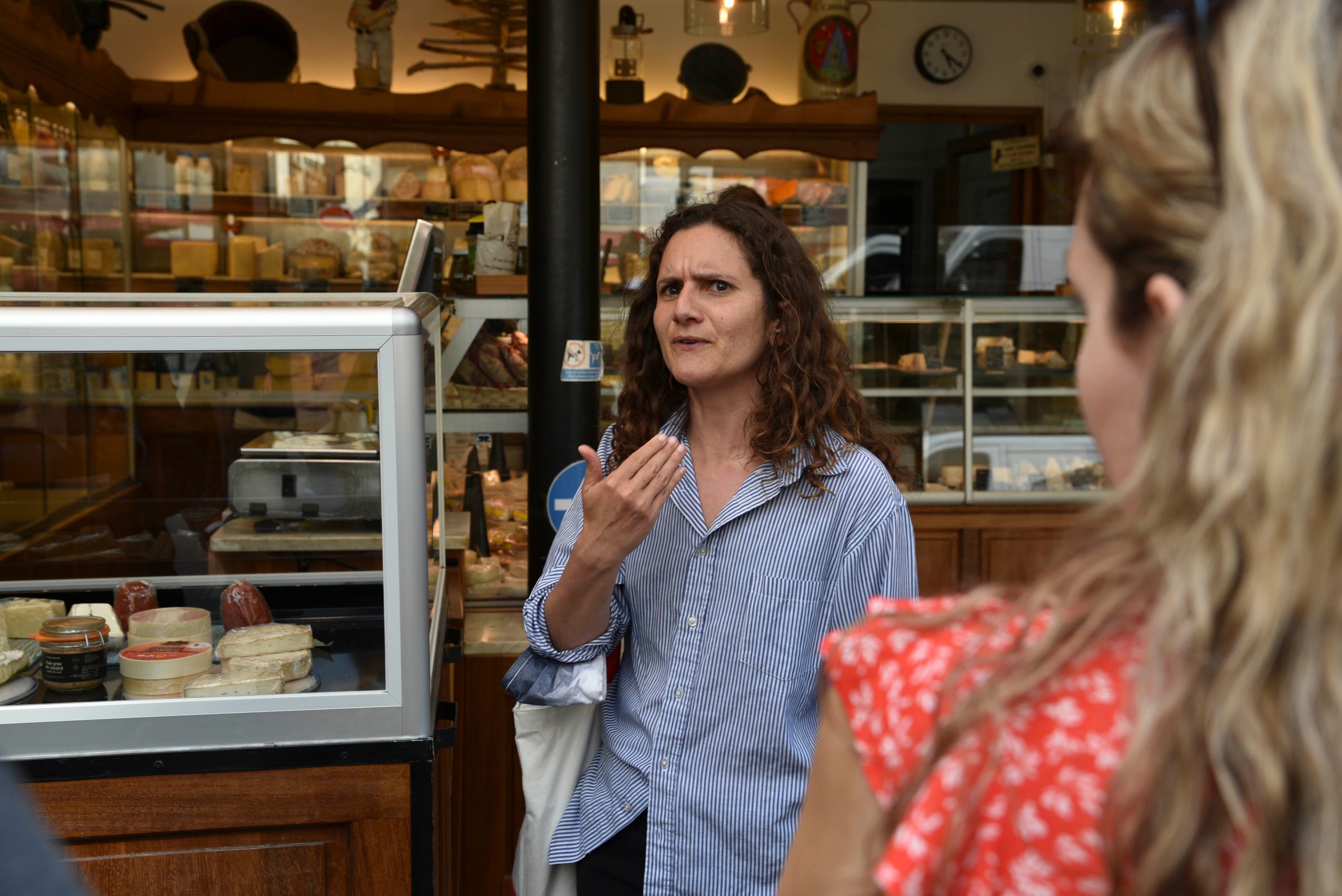
Systematically, when our tasting has come to a delicious end, my guests ask me… “So, where can we get these at home?”
The short answer: For the most part, you can’t. But that doesn’t mean you can’t seek out similar flavors.
Why Can’t You Get Great French Cheese Stateside?
On my cheese tours, I take advantage of the wide range of raw-milk cheese made by small producers throughout France to showcase the best of what the French cheesescape has to offer. But many of these cheeses are unavailable or significantly less palatable in the U.S., which comes down to a couple of factors.
The first is one of price. Import tariffs can make French goods from wine to cheese exorbitantly expensive. Thirty-month-old Comté regularly fetches prices of $50 per pound in the U.S., more than twice the price of the same cheese in France; Roquefort once saw prices magnified by 300% when it crossed the Atlantic.
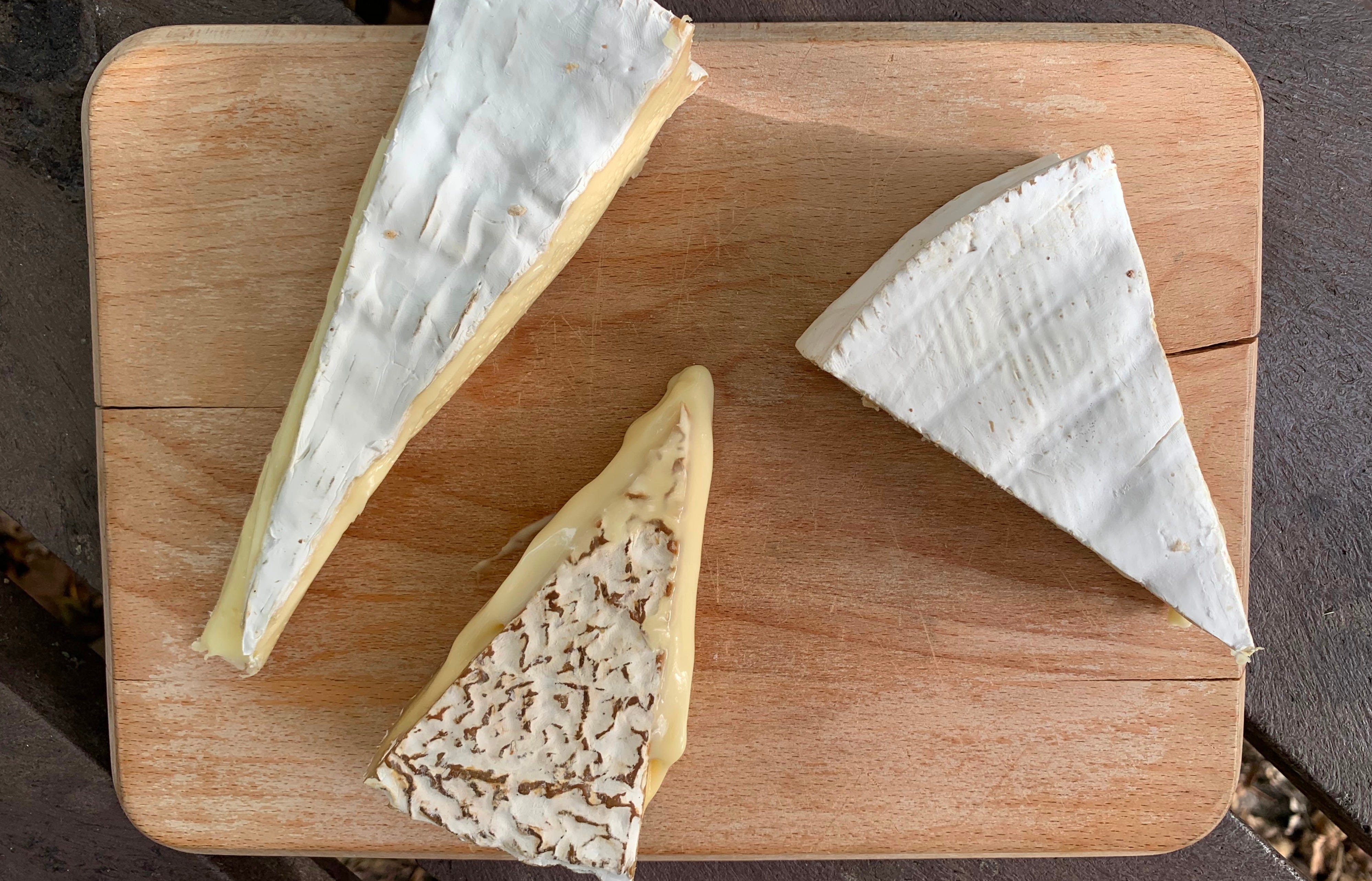
But even if you were willing to pay such prices, some cheeses still wouldn't be available Stateside due to FDA regulations on raw milk cheeses. Specifically, any cheese old in the U.S. that’s aged under 60 days must be pasteurized, which means that pretty much any soft cheese you can think of, from Camembert to Reblochon, is not available in its raw milk form in the U.S. Even if you find Brie or Camembert imported from France in American shop, it’s going to be made with pasteurized milk, and that makes it a whole different breed than the raw milk versions you’ll find in France, explains Kara Young, Community Manager of Vermont Creamery.
“What consumers are buying is a different iteration than they will find in France.”
In addition to being pasteurized, the imported cheeses that one does find in the U.S. tend not to be from the smaller producers I love to spotlight.
“Those that are imported are more likely to come from larger entities able to handle all the logistics, and businesses large enough to manage the volume to make it worthwhile,” explains Susan Golub, Certified Cheese Professional at Whole Foods Market. “On the U.S. side, there needs to be enough demand to sell the product, and at the inevitably higher cost once the additional shipping, taxes, etc. are factored in.”
This, she adds, means that “while it is possible to find representations of many French cheeses, there will be smaller producers and variations that don’t make it stateside.”
And that’s not all. According to Bonnie Kaufman, Brand Manager Marin French Cheese Co., traversing the Atlantic doesn't do French cheese any favors. “Certain types of cheese can’t handle the journey,” she says, “and not all cheese coming from France arrives here in the best shape.”
What to Look For in French Cheese in America
If you cannot bear the thought of abstaining from French cheese until you return to France, I get it. Luckily, there are a few ways to get almost the same flavors at home.
The first is to bring cheese back with you, which I do pretty much every time I fly home. As a rule of thumb, whole cheeses will travel better than cut portions (a whole Coulommiers is a better choice than a wedge of Brie), and harder cheeses fare particularly well. Be sure to let your cheesemonger know you’ll be traveling with your cheese, as they may pick a slightly under-ripe cheese that can deal with the journey, and they can vacuum-pack it for ease of travel. I generally put my cheese in my checked bag, whenever possible, as the baggage area is the coldest part of the plane.
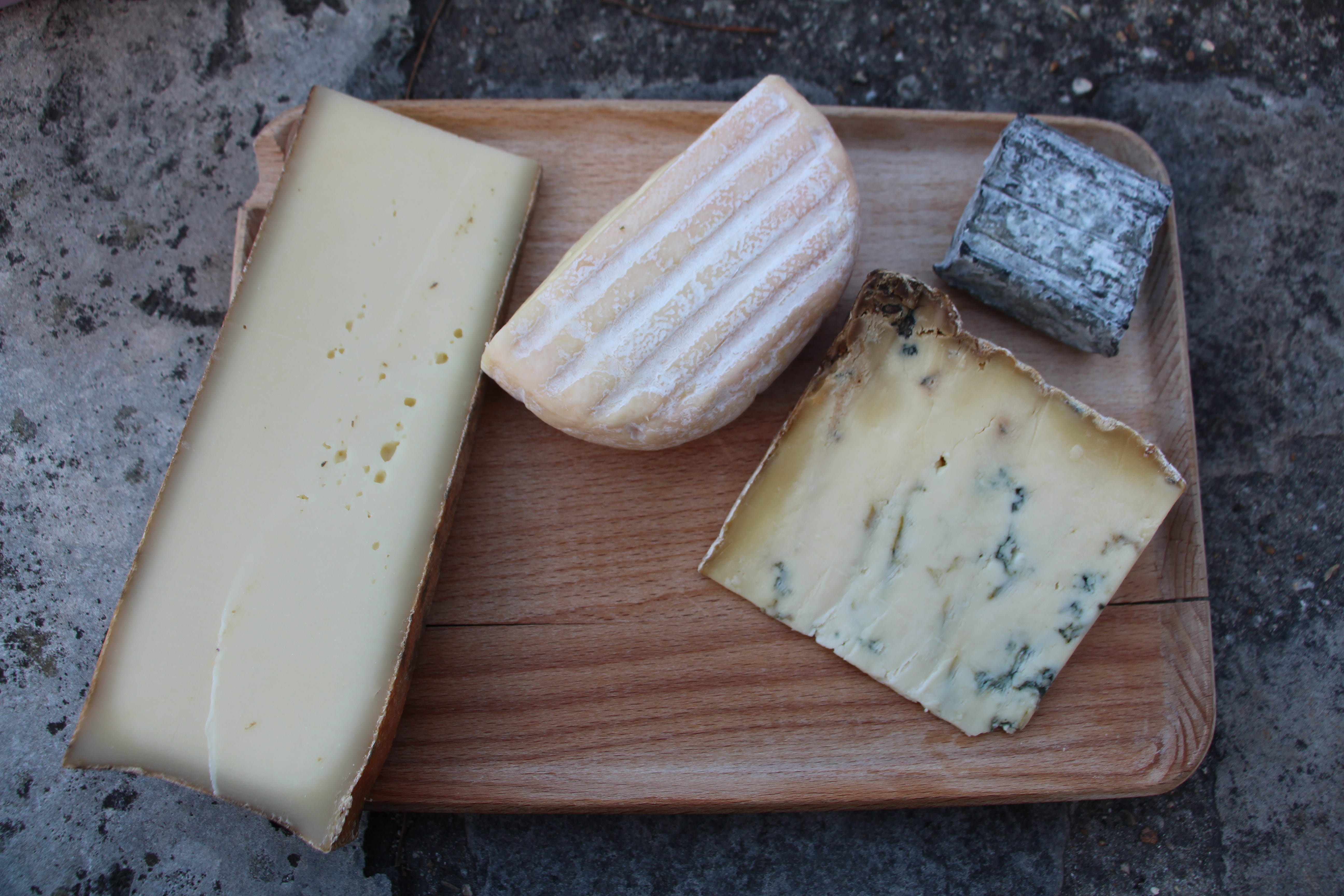
Once you've polished off your souvenir cheese, head to your favorite cheesemonger in the U.S., and direct your attention to the pressed cheese family: your Tommes de Savoie, your Basque Ossau-Iratys, and of course your Comtés. These mountain cheeses are designed to last for months and even years, making them hardier than most. And seeing as they're usually marketed well past the FDA’s two-month deadline, they're usually going to be made with raw milk and thus sustain much of the flavor you would expect of them, even in France.
Any cheese with a PDO is also typically a good bet, according to Golub, seeing as these cheeses must, by law, be the same no matter where they're sold. A PDO label holds the producer accountable to strict guidelines dictating how and where the cheese can be made.
“There still may be some difference in taste as the cheese needs to travel further and be stored for longer,” says Golub, “but they will be a familiar product and guaranteed to be made in the traditional way.”
What to Buy Instead of French Cheese
That said, I do encourage American consumers to stay away from French cheeses Stateside, for the most part. And Kaufman agrees. “It’s worth buying a French cheese from time to time, but I certainly don’t advise buying exclusively French cheese,” she says.
So what do we recommend you buy instead? Craft American cheeses. (That’s craft with a C.) There are so many phenomenal American cheesemakers, and many of them take full advantage of France’s recipes and techniques, optimizing them for American soil, to create cheeses with incredibly similar flavor profiles to the ones you'd find in France.
This is the case, for example, in Wisconsin, where Shannon Berry, Wisconsin Cheese Specialist, American Cheese Society Certified Cheese Professional notes, “Not only do we have French cheesemakers who have moved to the United States, but we’re also specifically aware of two who came to Wisconsin to make cheese based on the state's terroir, cheesemaking community, and dairy legacy.”
The same is true in California, where, Marin French Cheese Company, the country’s oldest, began making French-style cheese in the early 1900s.
“Americans who had traveled abroad got a taste for European-style soft-ripened cheeses,” Kaufman explains, of the small-batch creamery, which got its start in 1865, “and so we pivoted to focus on Brie and Camembert-style cheeses.”
The same is true in Vermont, where creators like Vermont Creamery are “very much inspired by French traditions and techniques – of course with our own Vermont spin,” Young explains. Founder Allison Hooper learned to make goat cheese while studying abroad in Brittany over 40 years ago, and today, she brings those techniques – and an affection for terroir to everything she does. To contend with the requirement for pasteurization, Young explains, the company combines top-quality milk from small, local family farms with proprietary cultures. “Our aging process also helps to develop complex flavors within each variation of goat cheese,” explains Young.
Most of these cheeses are pasteurized, but for Kaufman, this isn’t necessarily a bad thing. “While there are many traditionalists who feel that cheese made with raw milk is inherently more flavorful than cheese made with pasteurized milk, I disagree,” she says. “We still see and taste the seasonal variation in the milk – and then the cheese – and feel very strongly that our cheese tastes great as-is.”
If you're looking for delicious craft American cheeses with the flavor profiles you’ll find in France at a fraction of the price and the food miles, these are my recs.
Keep reading with a 7-day free trial
Subscribe to Emily in France to keep reading this post and get 7 days of free access to the full post archives.